2.9s
Pogo Rider Flies Forward
Analyze the opening of your Short before you publish it. ViralHookMaster’s Free YouTube Shorts Hook Analyzer reviews your hook for clarity, curiosity, visual impact, pacing, and audience retention risk so you can identify weak openings before they cost you viewers.
A stronger line goes further with a strong first frame. These 9:16 clips are free to download, and the Shorts hook library has more.
Pogo Rider Flies Forward
Railroad Beat
Roof Roller
Runs and Falls Behind Pillar
Samurai Sword
Sandy Neck
Shopping Cart Rollerblade
Shot Put Throw
You can review your Short in three steps.
Enter or upload the opening you want to analyze. Depending on the tool flow, this can include your spoken hook, written opening, on-screen text, or the first section of your Short. The more accurately the input reflects your real opening, the more useful the hook performance feedback will be.
The AI hook analyzer reviews the opening across several factors such as:
The purpose is to identify where the opening creates momentum and where viewers may lose interest.
Use the hook strength score as a diagnostic signal, not as a guarantee of views. If the analyzer flags a weak first line, unclear promise, slow setup, or poor visual alignment, revise the opening before publishing. Then test the updated version again.
A Free YouTube Shorts Hook Analyzer evaluates the opening of a YouTube Short and provides feedback on how effectively it captures attention. Unlike a hook generator, which creates new openings, a YouTube Shorts hook analyzer evaluates something you already have.
It can help answer questions such as:
A strong analyzer does not simply say whether a hook is “good.” It explains why the opening may work or where it needs improvement.
The first 3 seconds of a Short are where the viewer decides whether the content deserves more attention. A slow greeting, vague setup, or confusing opening can create friction before the main idea appears.
That makes the first few seconds especially important for audience retention and watch time. A useful hook should quickly establish at least one of these:
The viewer should understand why the next second matters.
Can the viewer understand the topic immediately? A hook can sound creative but still fail if the audience cannot tell what the video is about.
Does the opening create a reason to keep watching? Good curiosity reveals enough context to be interesting without giving away the entire payoff.
Specific hooks are easier to process.
“Three editing mistakes” is more concrete than “some editing tips.”
A visual hook should support the message, not compete with it. Movement, framing, text, and the first image all contribute to the opening.
On-screen text can reinforce the spoken hook, especially when viewers are scrolling without sound. The wording should be short enough to read quickly.
The analyzer should identify unnecessary setup before the actual point. If the strongest sentence appears five seconds into the Short, it may belong at the beginning.
A hook should accurately represent what the video delivers. If the opening promises a dramatic result and the body provides something much weaker, viewers may leave.
Imagine your opening is:
“Hey guys, today I want to talk about three things that helped me edit faster.”
A video hook analyzer might identify several issues:
A stronger version could be:
“These three editing mistakes were adding an hour to my workflow.”
The second opening moves the problem and outcome to the front. It gives viewers a clearer reason to continue.
| Weak opening | Stronger opening |
|---|---|
| “Today I want to share a tip.” | “This mistake is making your Shorts feel slower.” |
| “Let’s talk about productivity.” | “This task was wasting an hour every morning.” |
| “Here are some editing tips.” | “Stop making these three editing mistakes.” |
| “I want to show you something.” | “This changed how I edit every Short.” |
| “Welcome back to my channel.” | “Your first sentence may be killing your retention.” |
A strong opening hook analysis focuses on the difference between introducing a subject and creating a reason to stay.
A Shorts hook score should be used comparatively. A high score does not guarantee views. A lower score does not automatically mean the Short will fail. The score is useful because it gives you a consistent framework for comparing openings. For example, you can test:
Then compare which version communicates the idea most clearly.
An analyzer can review structure and likely friction. It cannot fully predict how real viewers will behave. Actual YouTube Shorts analysis still needs real publishing data. After posting, compare the analyzer’s feedback against metrics in YouTube Analytics, such as:
The analyzer helps before publishing. Your real audience validates the result afterward.
Sometimes the wording is strong, but the first frame is not. If your verbal hook says: “This went completely wrong.” but the opening visual is a static talking head, the video may not create enough immediate movement.
ViralHookMaster’s hook videos for YouTube Shorts provide free 9:16 visual clips designed to stop the swipe in the opening seconds. The library includes vertical 1080×1920 MP4 hooks with no watermark or signup.
Pair the spoken hook with a visual that reinforces the same emotion or idea.
A written or verbal hook explains why someone should care. A visual hook gets attention before the viewer has processed the full sentence. The strongest opening can use both. A simple sequence is:
ViralHookMaster’s transitional hooks are built for this kind of handoff between an attention-grabbing opening and your own footage.
Swipe-away risk increases when the opening asks the viewer to wait too long before understanding the value. Common causes include:
“Hey guys, welcome back to another video…”
The viewer has received no reason to stay.
“This is something everyone should know.”
The statement creates little context.
Explaining background before establishing the problem can delay the strongest part.
A static frame may not match the energy of the verbal hook.
If viewers cannot tell what they will learn, see, or discover, continuing becomes harder to justify.
Find the most interesting sentence in your opening and test it as the first line.
You can introduce yourself later if necessary.
Numbers, audiences, outcomes, and clear problems reduce ambiguity.
Use movement, a reveal, reaction, impact, or other visual pattern interrupt when it fits the content.
The written and verbal hook should reinforce each other.
If the viewer needs five sentences before the main idea begins, compress them.
The best use of the Free YouTube Shorts Hook Analyzer is not to chase a perfect score. Use it as part of a workflow:
When you need a different visual opening after the analysis, browse ViralHookMaster’s full viral hook library. It includes free vertical hooks for Shorts, Reels, and TikTok.
A hook generator and hook analyzer solve different problems. Use a generator when you need new ideas. Use an analyzer when you already have an opening and want to improve it.
For example: You might generate five hook ideas, choose the strongest, then run that version through the Free YouTube Shorts Hook Analyzer before filming. That creates a more useful workflow than relying on one AI output.
A hook is more than text. The opening includes:
That is why a strong video retention checker should consider the relationship between these elements. A strong sentence with a slow visual can still feel weak. A strong visual with unclear text can create attention without context. The best opening aligns both.
A visual transition can help when the opening needs movement without changing the script itself. The clips are vertical 9:16 MP4s and are designed to work across YouTube Shorts, TikTok, and Instagram Reels. Use them when:
The underlying hook idea can transfer, but pacing and visual style may change. TikTok often benefits from a faster visual impact. If you are adapting a Short for another platform, ViralHookMaster’s TikTok hooks provide 9:16 visual openings specifically positioned for TikTok content.
Keep the core idea. Adjust the first visual and delivery.
Creators can evaluate openings before spending time filming or editing the complete Short.
UGC creators can compare several product hooks before sending creative to a brand.
Teams can apply a consistent evaluation framework across multiple videos.
Brands can review product, problem, benefit, and proof-led openings before launching content.
Agencies can compare hook variations across several clients without relying entirely on subjective feedback.
 Hookest575+ hooks · updated weekly
From the Hookest library
The newest additions to the Hookest library, taken from real short-form videos. See how your opening compares.
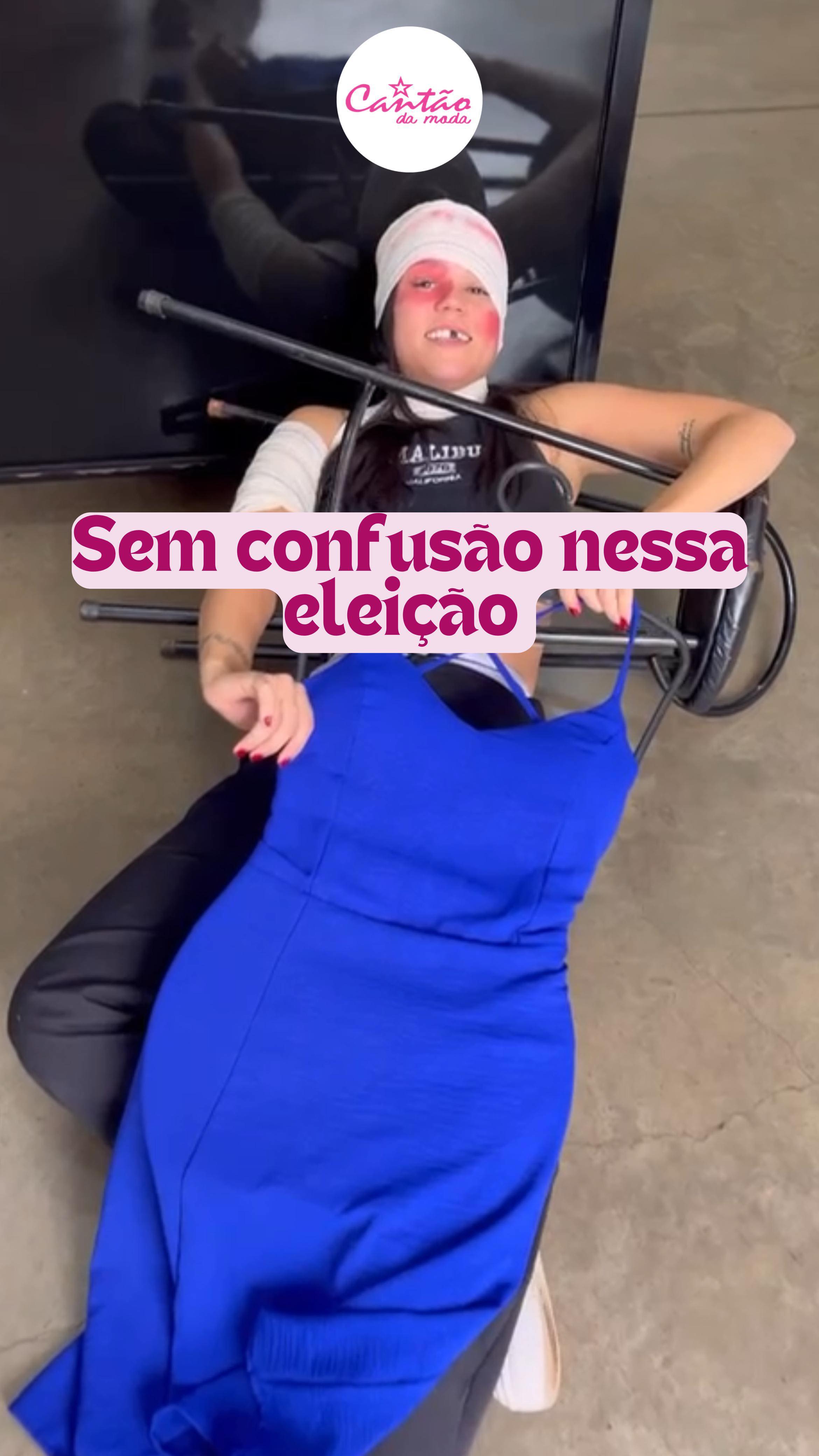 136K
Chair Swing Hit
@cantodamodaudi 2.0M
Scooter Tip Restaurant Cut
@platefullofshorts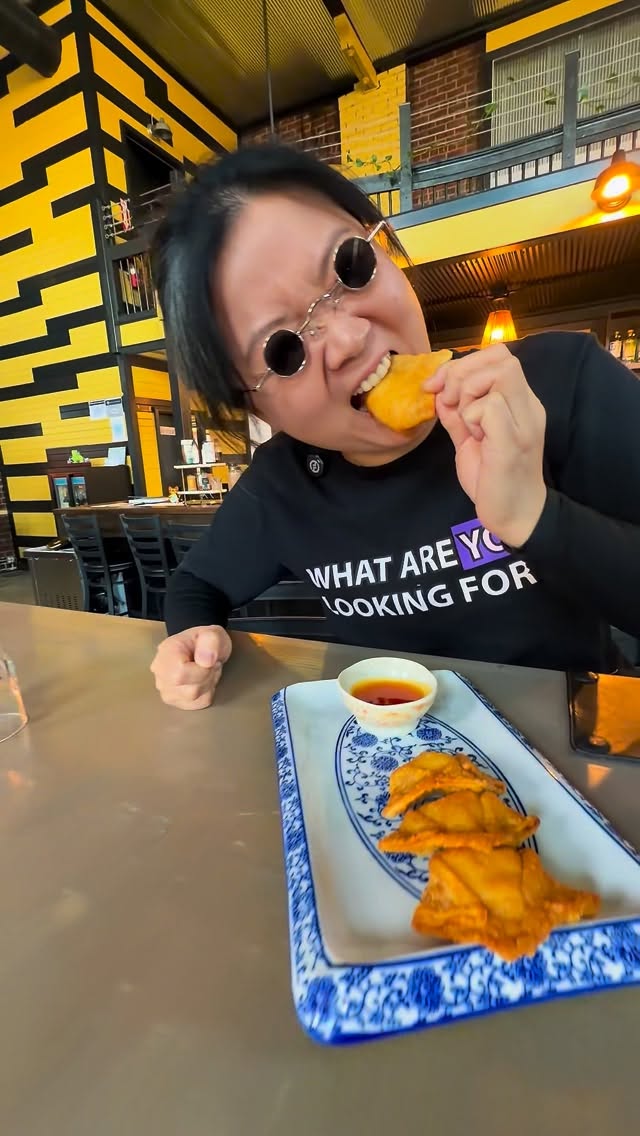 499K
Cow Kick Couch Dive
@judyskitchen51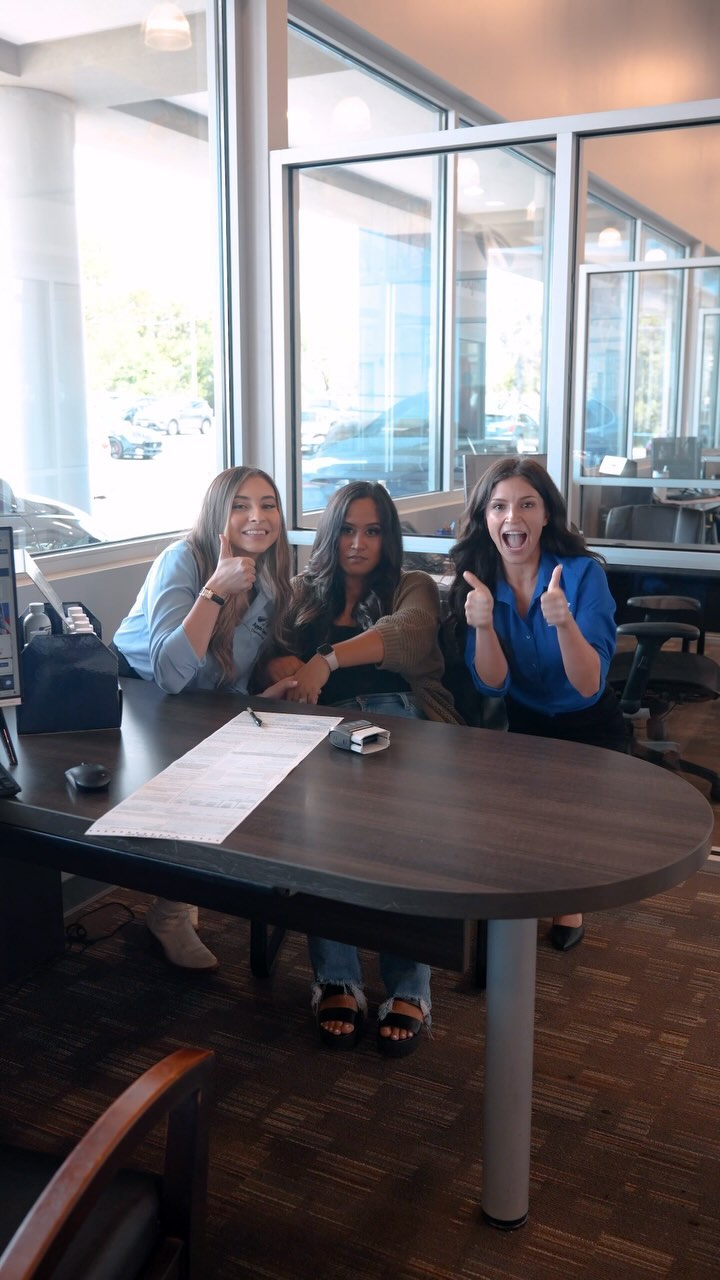 1.6M
Knockout Kick
@applesportchevy 2.4M
Soccer Face Hit
@platefullofshorts 2.2M
Fall Into Tree
@cantodamodaudi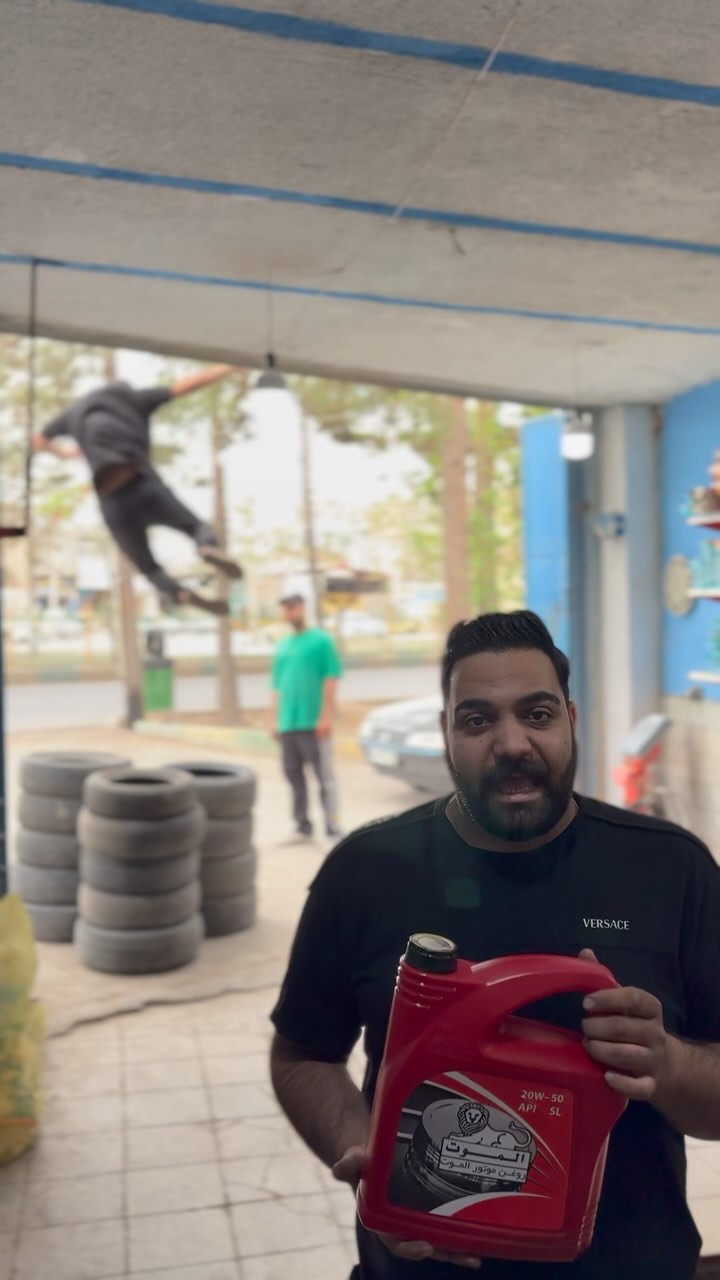 1.6M
Human Cannonball Launch
@pedaalauto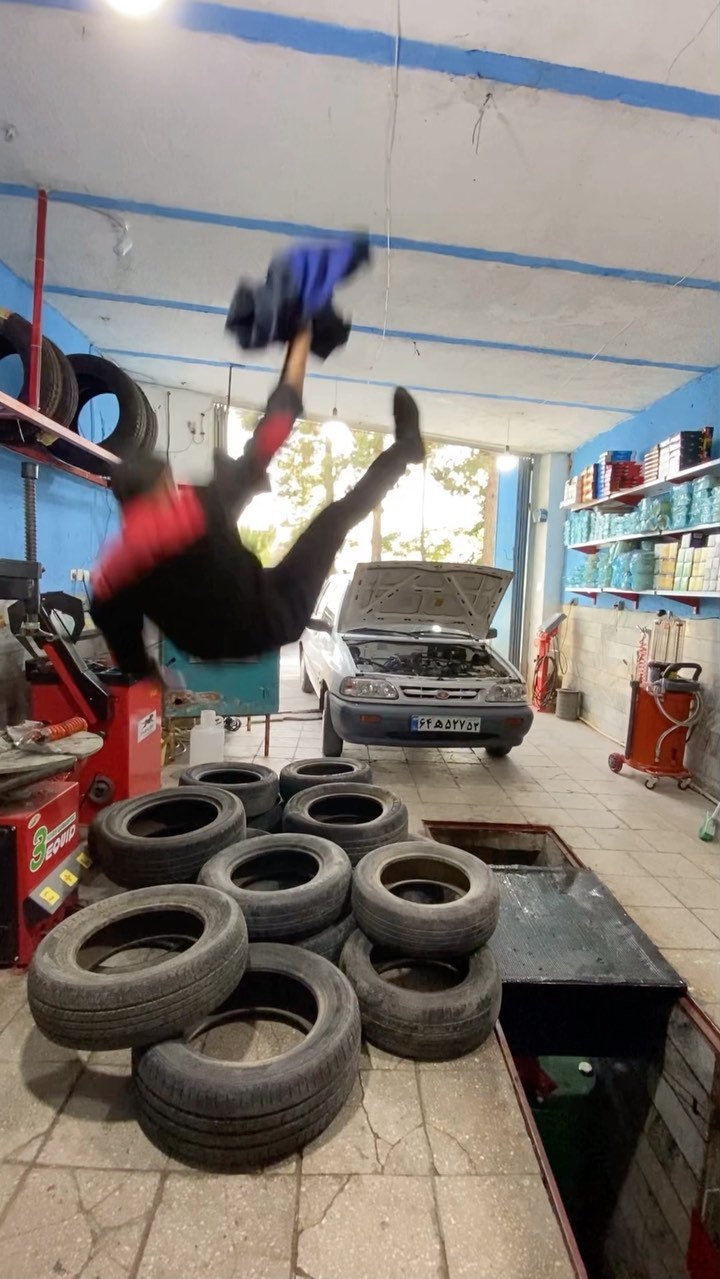 2.4M
Cushion Launch
@pedaalautoBrowse all 575+ hooks with views, likes and categories.
Five opening lines for TikTok, Reels or Shorts, each with a matching free clip.
Opening lines written for the Shorts feed, with a free clip to open on.
A timed script with a hook, spoken lines and on-screen directions.
A Free YouTube Shorts Hook Analyzer evaluates the opening of a YouTube Short and provides feedback on hook strength, clarity, curiosity, pacing, visual impact, and likely retention risk.
Yes. The tool is designed to let you analyze a YouTube Shorts hook for free. Current usage limits can be displayed directly inside the tool.
It can evaluate factors such as clarity, specificity, curiosity, visual alignment, pacing, on-screen text, and payoff.
No. A hook score is a diagnostic tool, not a prediction of guaranteed performance.
It can identify structural signals associated with weak or strong openings, but actual audience retention must be measured after publishing.
Swipe-away risk is the likelihood that viewers leave before engaging with the main content because the opening is slow, unclear, irrelevant, or visually weak.
Yes. The first 3 seconds are a practical area to review because that is where the hook, first visual, text, and pacing come together.
Yes. A complete hook analysis should consider the visual opening as well as spoken or written copy.
Paste your line, see where it falls short, and film a stronger version.